





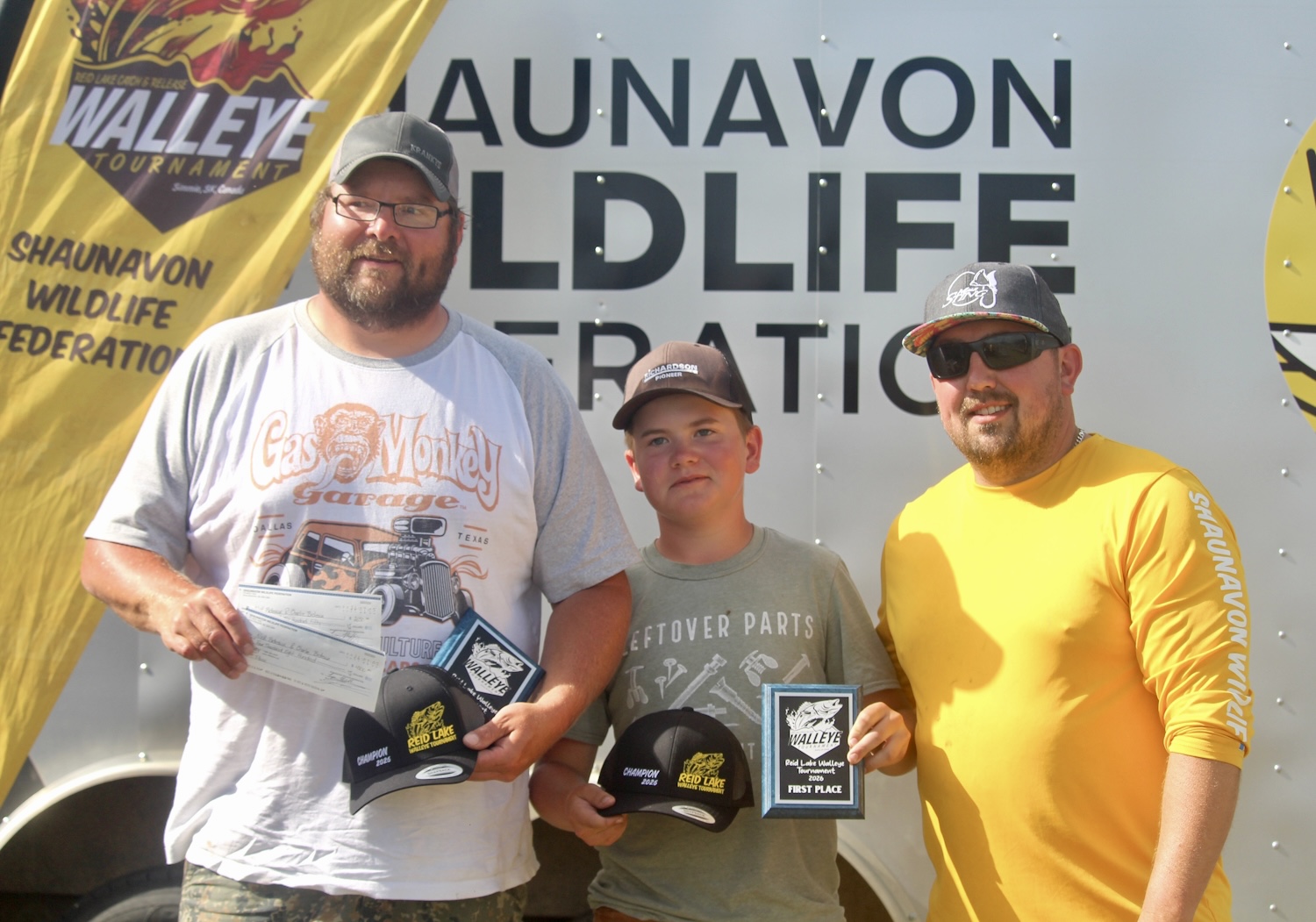
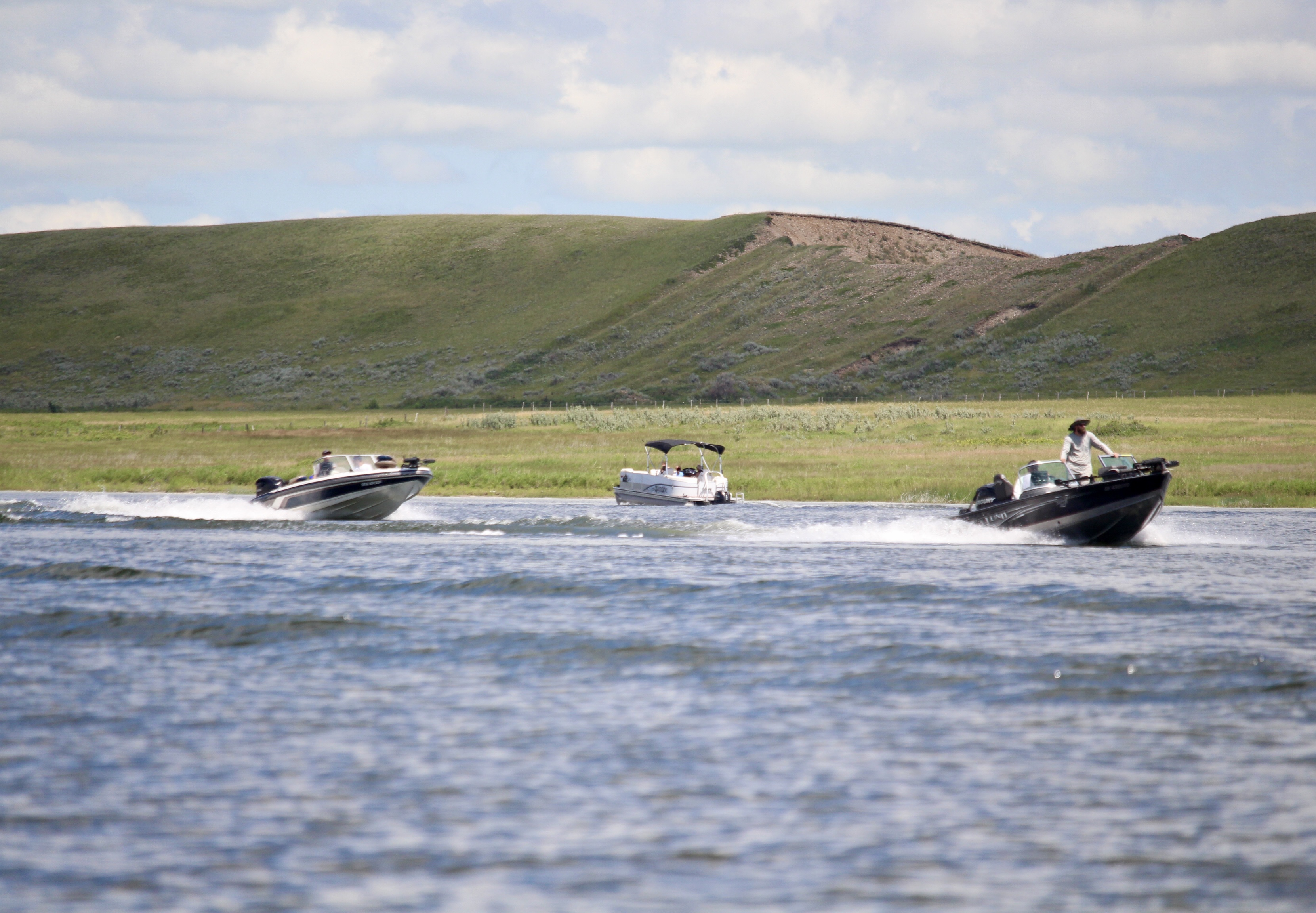
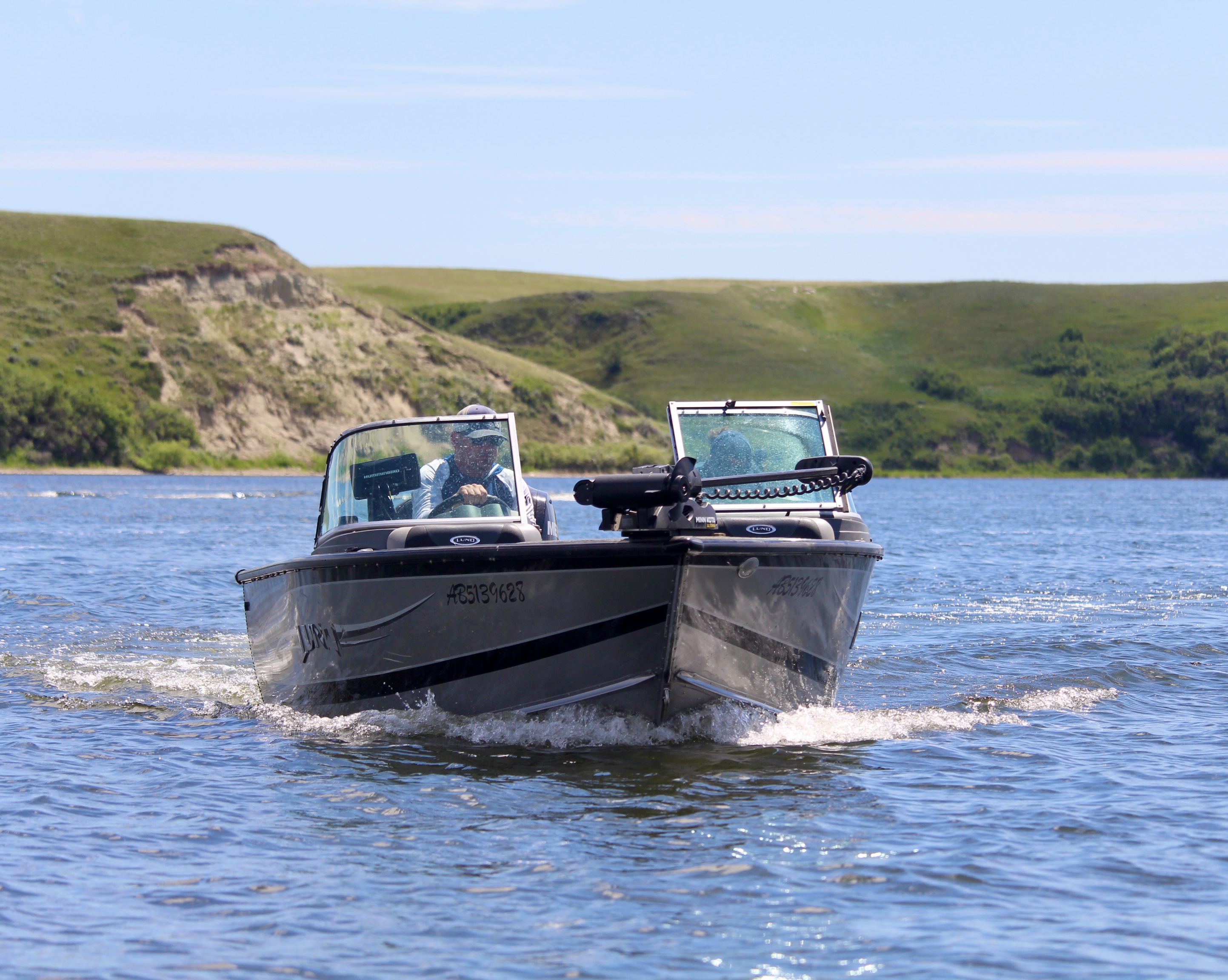
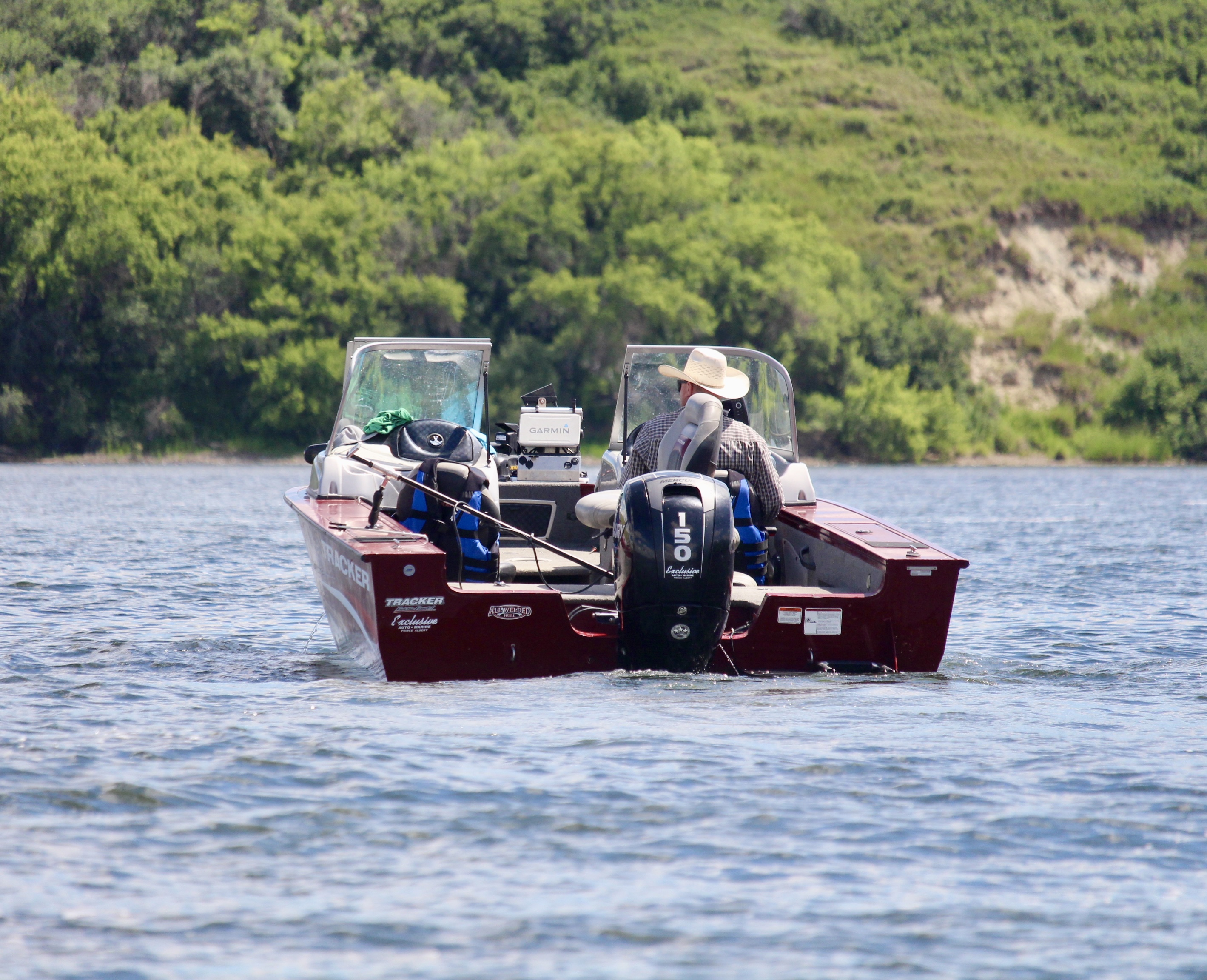
It was a memorable weekend for an Eastend father-and-son duo at the 33rd annual Reid Lake Catch and Release Walleye Tournament.
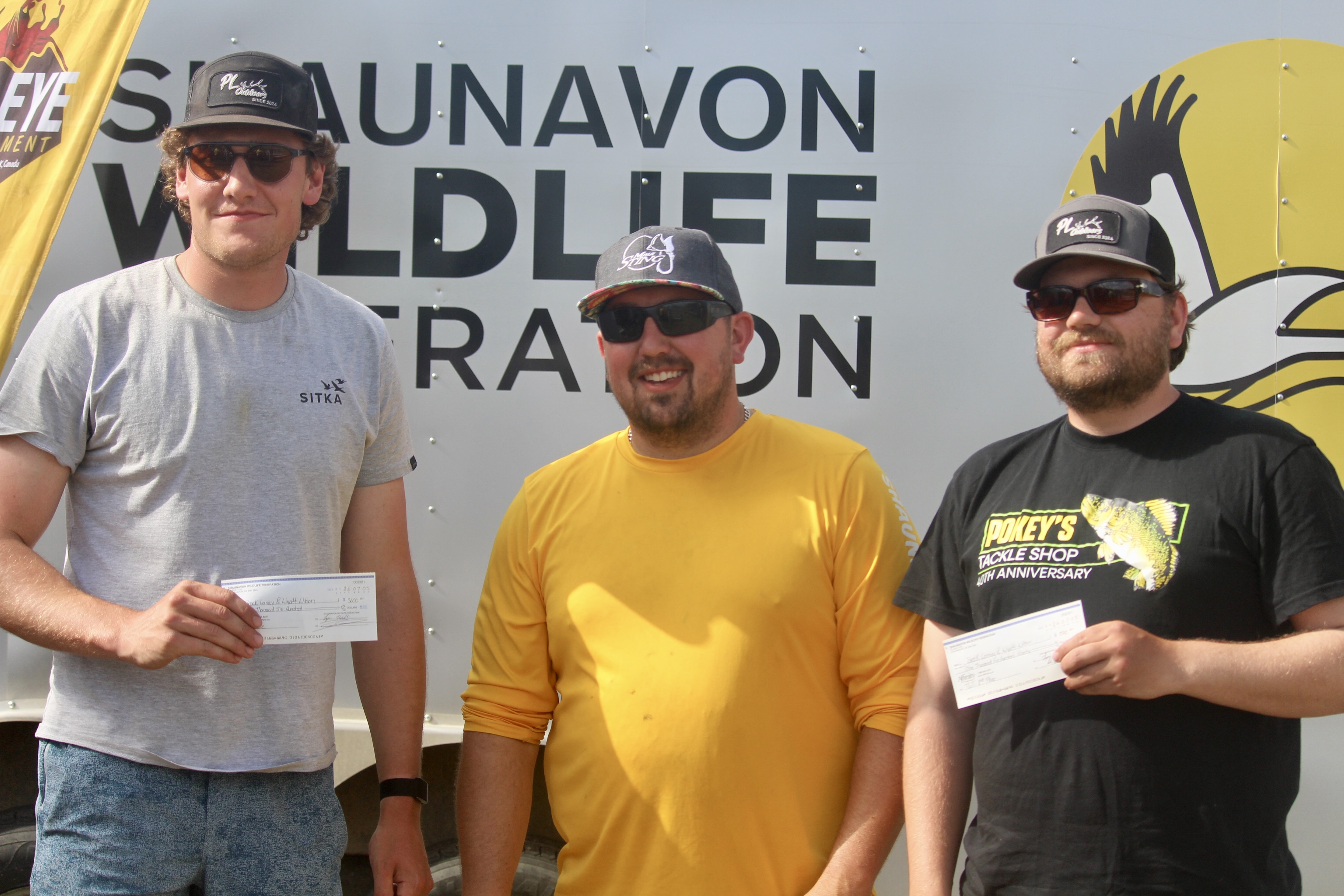
Nick Bidaux and his 13-year-old son, Charlie, captured first place and the $7,450 top prize Sunday after posting a two-day total of 41.61 pounds. They finished ahead of Brock Lemay and Wyatt Wilson, who placed second with 38.03 pounds to earn more than $5,100.
The Bidauxs entered the final day with a 2.42-pound lead after a strong opening round.
"It was pretty good, a little stressful," Nick said. "Trying to catch a decent fish on the Sunday."
Holding off the field
Despite a more challenging second day, the Bidauxs recorded the tournament's third-best Sunday total at 17.79 pounds.
Their biggest fish came on Saturday at 10.3 pounds, while their largest catch Sunday measured 5.83 pounds.
Nick has competed in the tournament for more than 20 years but had never won a fishing tournament before Sunday.
"It's kind of speechless," he said.
For Charlie, it was his fourth appearance at the annual event.
Related Stories:
- Regina brothers reel in Riverhurst Walleye Classic title
- Reid Lake reels in monster walleye at catch and release tournament
- Fishing tournament rocks Reid Lake
Catch-and-release format
Tournament organizer Tyson Willman said the event uses a unique scoring system that emphasizes conservation.
"It's the best five fish on both days. It's the length of fish converted to weight at the end of the day, is how we determine who places at the top," he said.
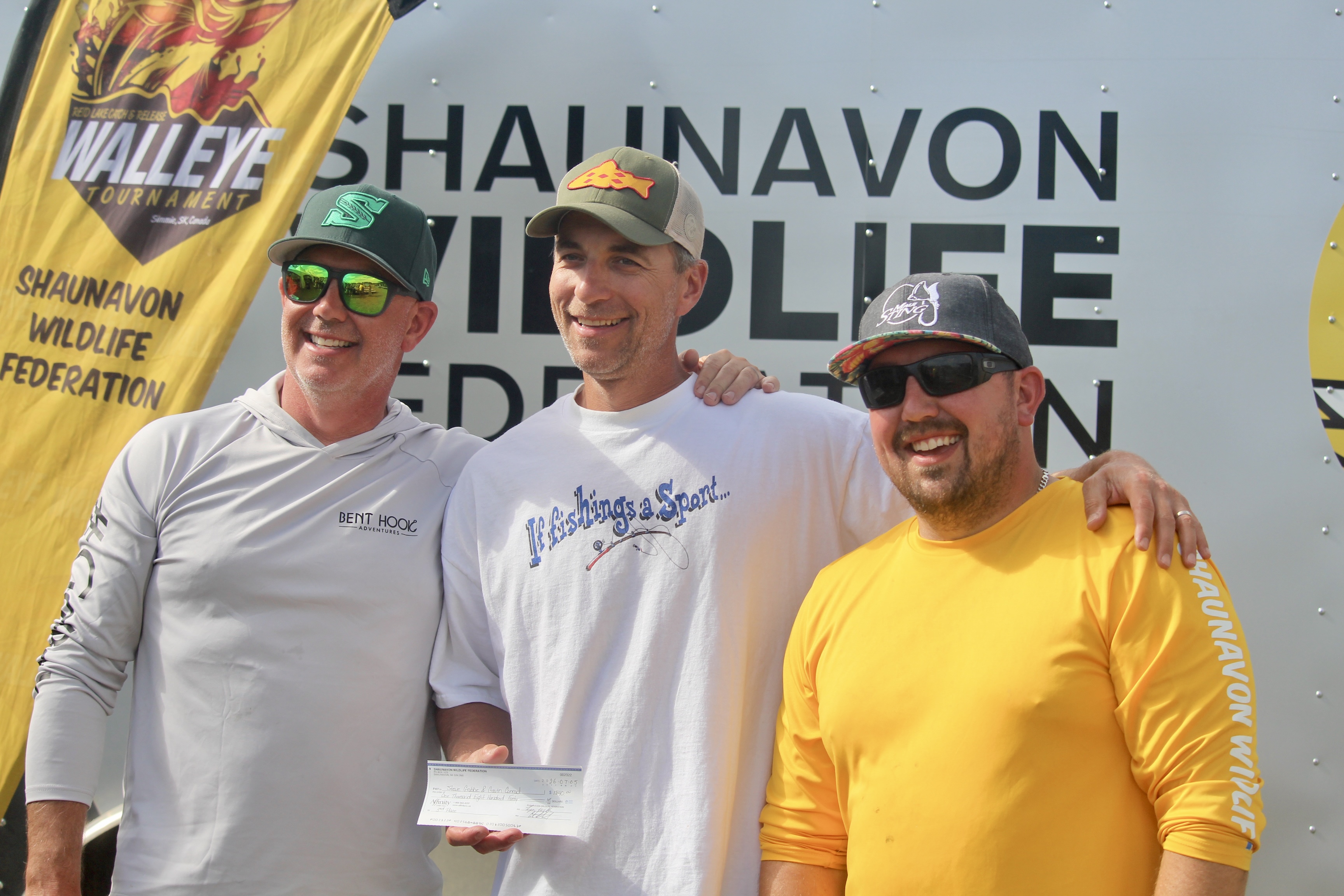
The tournament attracted 61 teams this year and paid out approximately $22,000, with the top 10 teams earning prize money. The top three fishermen also received additional side-pot winnings.
"I hope next year we can up the teams. I'd like to see it up to 80-90 teams once before I'm done running it," Willman said. "We're pretty consistent around 50-60, but we have seen up to 90 to 100 boats before."
Research returns to Reid Lake
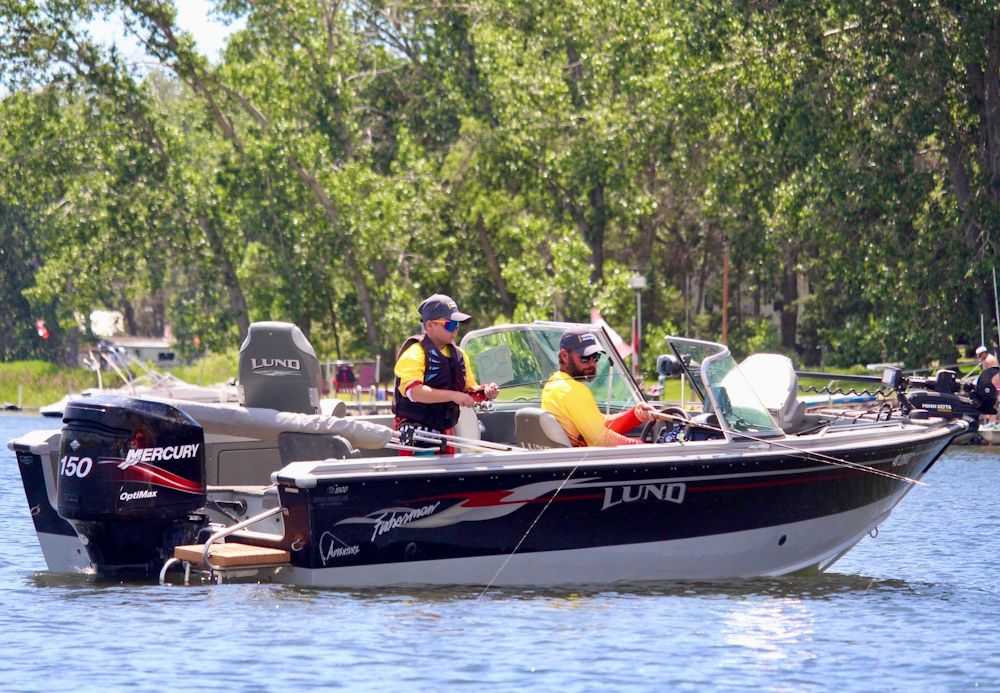
The tournament also continued its partnership with researchers from the University of Regina.
After conducting similar work at the Riverhurst Walleye Classic two weeks earlier, biology professor Chris Somers brought the university's walleye-tagging project back to Duncairn Reservoir.
"It's part of a large-scale project to look at population biology of walleye," Somers said. "How far they grow, how often they're recaptured by anglers in subsequent years, and where they move and what type of habitat they use."
The university has been tagging walleye across Saskatchewan since 2017 and has conducted tagging work at Duncairn Reservoir since 2024.
"We're interested in the health of our fisheries," he said. "Trying to understand what makes good places for walleye to live, but also what practices result in successful catch and release. What can anglers do to help their fish survive the catch-and-release process and be around for a long time."














 Mon, Jul 6, 9:30 AM


 Technology
 Featured